Hugo Schmid · 15 October 2026
Decoding the Benefits of Cumulative Layering Techniques in Modern Harbor Expansion Strategies
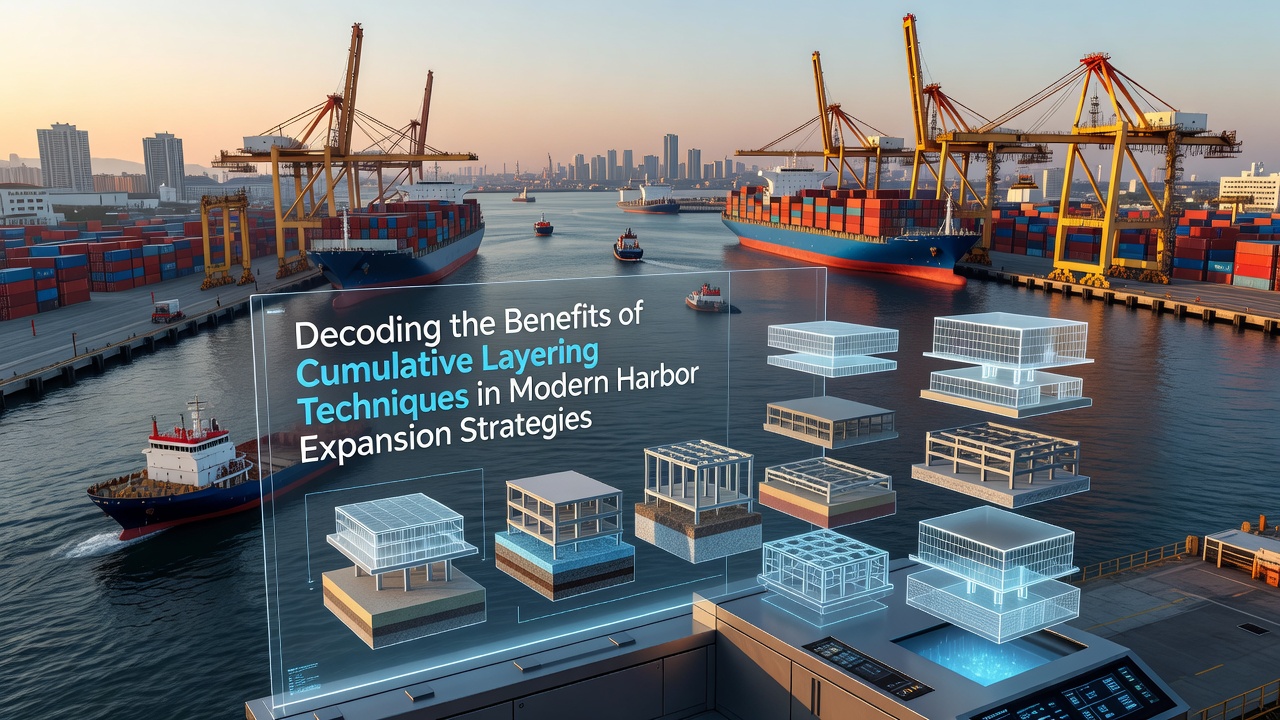
Engineers apply cumulative layering techniques by building successive structural layers onto existing harbor infrastructure, and this approach integrates new materials with sediment management systems to support phased growth. Research from coastal engineering programs shows that these methods allow ports to expand capacity without full reconstruction, while data from multiple international projects indicates reduced material waste and improved load distribution across foundations.
Core Principles Behind Cumulative Layering
Teams construct each new layer on top of stabilized previous stages, and they incorporate geotextiles along with graded aggregates to handle settlement over time. Studies at institutions focused on maritime infrastructure reveal that this incremental process aligns with tidal patterns and wave loading cycles, whereas traditional single-phase builds often require extensive temporary works. Observers note that the technique draws on soil mechanics principles refined through decades of wharf rehabilitation work, and it permits real-time adjustments based on monitoring data collected during construction phases.
Economic and Scheduling Advantages in Practice
Port authorities report shorter downtime periods when layering methods replace complete rebuilds, and figures from completed projects demonstrate that overall capital expenditure drops because crews reuse portions of the original structure. Data compiled across North American and Asian sites shows labor and equipment mobilization costs decrease when work proceeds in controlled stages rather than continuous large-scale operations. In October 2026, project updates from several expanding terminals confirmed that cumulative layering allowed operators to maintain vessel traffic throughout most of the construction window, which preserved revenue streams that would otherwise face interruption.
Environmental Performance and Sediment Control
Layered designs integrate silt curtains and containment berms at each stage, and this setup limits turbidity plumes during dredging and filling activities. Evidence gathered by marine research groups indicates lower impacts on benthic habitats compared with conventional excavation methods, while water quality monitoring programs record faster recovery times in surrounding areas. Australian port expansion records highlight how cumulative layering combined with beneficial reuse of dredged material supports habitat creation projects adjacent to the main works, and similar patterns appear in Canadian Great Lakes initiatives where sediment is managed within the layered footprint itself.

Structural Resilience and Wave Energy Management
Each added layer incorporates energy-dissipating geometries such as stepped revetments and perforated caissons, and these elements work together to reduce reflected wave forces on adjacent berths. Research published through European maritime consortia demonstrates that cumulative systems maintain stability under increasing storm intensities because the mass distribution evolves gradually rather than remaining fixed from day one. Those who monitor long-term performance data note that differential settlement stays within acceptable limits when layers are added with appropriate compaction intervals, and this adaptability proves valuable in regions experiencing gradual sea-level changes.
Implementation Examples Across Regions
One terminal in the Port of Singapore applied cumulative layering over a three-year period to enlarge its container yard, and records show that the approach accommodated variable soil conditions without halting operations. In the Netherlands, engineers used similar staged layering at a bulk cargo facility where groundwater levels required continuous management, and the resulting structure handled increased throughput while meeting updated flood defense standards. U.S. Army Corps of Engineers project summaries detail how layering techniques supported widening of approach channels in several Gulf Coast locations, with each phase building directly on monitoring feedback from the prior stage.
Conclusion
Cumulative layering techniques deliver measurable gains in harbor expansion projects through phased integration of structural and environmental controls, and ongoing monitoring continues to refine their application across diverse coastal settings. Data from multiple agencies and research programs confirms consistent patterns of cost containment, reduced ecological disturbance, and enhanced long-term durability when these methods guide modern development strategies.